- Terms & Conds
- Contact Us
- Search Your One-Stop Craft Shop



Scrapbooking and Card Making Hints & Techniques
Scrapbooking & Card Making Tips & Techniques.....
- Fibres and Yarns: To glue fibres in free-form design (curves, curliques, etc) use an acid-free fine-tip glue pen. Draw onto paper where you want the fibres to go. Allow glue to become tacky then press fibre onto glue.
- Applying fibres in straight lines: Simply wrap the fibre around the project or card and secure in back with acid free tape or other adhesive.
- To hold fibres securely in place: Use tiny glue dots. These can be pulled and rolled to form small lines. Glue dots can also be cut for smaller areas.
- To quickly iron non-fuzzy ribbons and threads, use a curling iron. Place trim against rod and quickly pull trim across rod.
- To score paper for a perfect fold: Using a straight edged ruler and a stylus (or dead ball-point pen) draw a line on the back of the paper. The more pressure, the sharper the crease. Or use a bone folder.
- Wax Paper: Use to lubricate your paper punches by folding sheet a couple of times and punching through the layers several times.
- Aluminium Foil: Use to sharpen your paper punches by folding a sheet a couple of times and punching through the layers several times
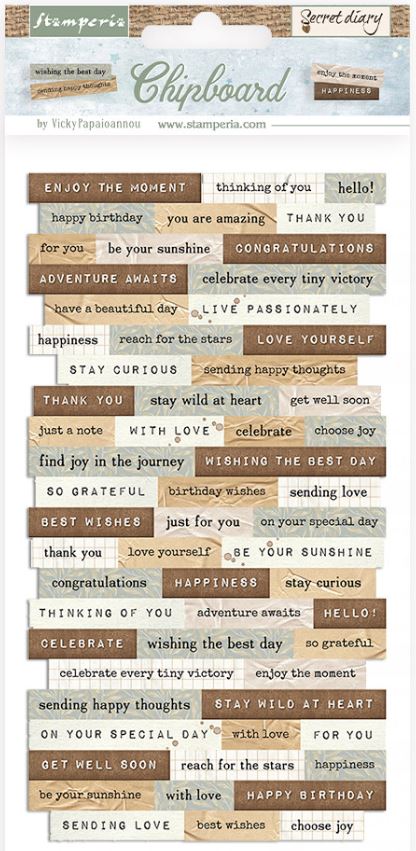
- Stickers: Peel diagonally, beginning with the largest part of the design. Keep sticker flat and fold back the release paper.
- To Emboss Vellum: Draw pattern on the wrong side of the vellum.
- Sticky Scissors: Try alcohol wipes from the chemist for a quick portable solution.
- Cutting Tip When cutting around intricate shapes, turn the paper, not the scissors.
- Tearing handmade paper: To achieve a fairly straight edge on mulberry and other handmade papers, place a ruler ¼" away from your tear line. Using a small artists paint brush, paint water onto the line. Allow paper to sit for a minute, then slowly tear the paper towards yourself.
- Handmade Papers: Use double-sided clear tape or glue dots transfers for best adhesion.
Flip 3D handmade papers over to the non-patterned side for a whole new texture. - Ink: When the ink in your inkpad starts to dry store the pad upside down. This will refresh the pad. New pigment inkpads can be stored face up, the ink is thicker and does not settle on the bottom of the pad as much as dye-based inks. Do not store dual-ended stamping or journaling markers vertically as the ink may run out. Instead store them in a horizontal position
- When using StazOn ink first stamp into a Versamark Pad and then into the Stazon. It keeps the stamp from gumming up and results in a much easier to clean stamp.
- Set your chalks with a light covering of hairspray.
- If you find your masking tape too sticky, just stick it onto a tea towel first.
- Stamps: If you have a very large stamp collection scan or copy the sticker/top side of your stamp. Label a notebook into different themes and place your picture appropriately. This way you can look for just the right stamp instead of rooting through all your stamps.
- Use baby wipes to clean your stamps after you use them. Never use soap on your rubber stamps, it will make them dry up and crack.
- To see how your stamped image will look on your project first stamp on a piece of clear acetate. You can then move the acetate around on your project to see where it looks best. Just wipe the ink of the acetate when finished.
- If the rubber on your stamps is turning white, wipe a light coat of glycerine over the rubber.
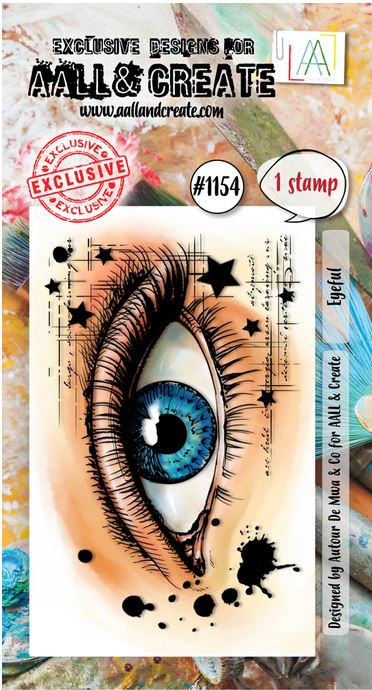
- If you only want to use one word from a stamp with several just cover the remainder in tape. Stamp the inkpad then remove the tape before stamping onto your project. Alternatively apply with a marker directly onto the word.
- When making a shaker box for a snowy scene, use plain salt with a pinch of glitter.
- Run a strip of card stock through a Zyron Sticker maker before you using punches or QuicKutz. Results in instant stickers of your die-cuts. The tiny pieces are easy to adhere without the mess of using glue.
- Make your own vellum by covering a sheet if paper with baby oil - ensure the sheet is completely covered. Press between paper towels to removed excess. Set aside to dry for a few days then pat again to ensure all oil is removed (if needed).
- When creating a title with letter stickers, place the stickers along a ruler so the bottom portion of the letters are attached to the ruler, but the main portion of the sticker is hanging off the edge -- spell out the whole word or phrase on the ruler, then lay them on the layout and press them down. This way, you can adjust spacing and placement before everything is stuck to your page
- Keep your scissors and paper trimmer blade sharp - a smooth cut makes a big difference on a page!
If 12"x12" pages seem a bit daunting when you first start scrapbooking, try using 8"x8" papers instead.
- Look at your photos carefully. Half close your eyes and see which colour seems to jump out at you. Now use this colour on your page, whether to mat the photo or in the embellishments that you use. Don't use too many colours on a page.
- When adding very private journaling to a page, try hiding it within pockets, behind tags or inside little envelopes. This means you can still display the page openly without everyone being able to read your private thoughts!
- Embellishments can really make a page. Whether they are brads, ribbons, tags etc. Anything that adds extra dimension will bring your pages to life.
- If you have a digital camera you can take photographs to enhance your pages. So, at a children's party, for instance, as well as photos of the children, take close ups of bowls of jelly, plates of cakes etc, & cut these out to make your own embellishments.
- Make pages just about yourself! This can be a very rewarding challenge. Make a page about your favourite colours, what makes you happy, what drives you mad etc. It's great fun and you can really go to town!
- To allow any photograph to work with any patterned paper, just have it printed in B&W. Any negative, slide, or digital can be printed in B&W, even from colour.
- Instead of matting photos with cardstock or patterned paper try inking or sanding. For a darker photo lightly sand the edges to give a white/ light feel to the photo and help it pop. For a lighter photo, lightly drag a Staz On inkpad on the edge of your photo. Drag away from yourself in quick short motions.
SEE LOTS MORE TIPS AND TECHNIQUES IN OUR CRAFT FORUM.
Making Cards...
It is very important to plan a layout before starting to make your card. In the beginning I used to "make it up as I went along", but soon learned that it took me longer to make the card plus I often ended up wishing I had done something differently when it was too late. I usually do a quick sketch of the card and have all material laid out before starting.
Using the correct adhesive is of paramount importance.You don't want to end up with wrinkly paper or see big blobs of glue. So choose your adhesive with care.
Finally - remember that "less is more", don't overload your project with embellishments etc, a simple layout with a distinct focal point works much better.
Recently Viewed
Some of our Favourite Brands:
What's New?

Mailing List
Enter your email address in the box below to join our mailing list: |

| Site Map |
Go Shopping
Shop Securely

Independently Verified:
Best Sellers
New Products
Socialise With Us


[Home][Products][Search Our Site][Terms & Conditions][Site Map]
| Free Online Classes | Card Making & Scrapbooking Ideas |
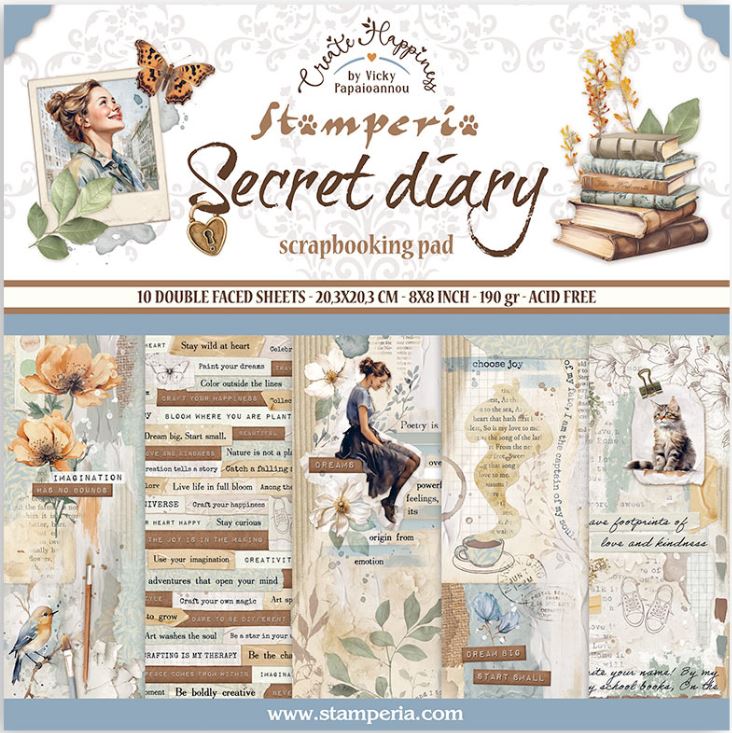
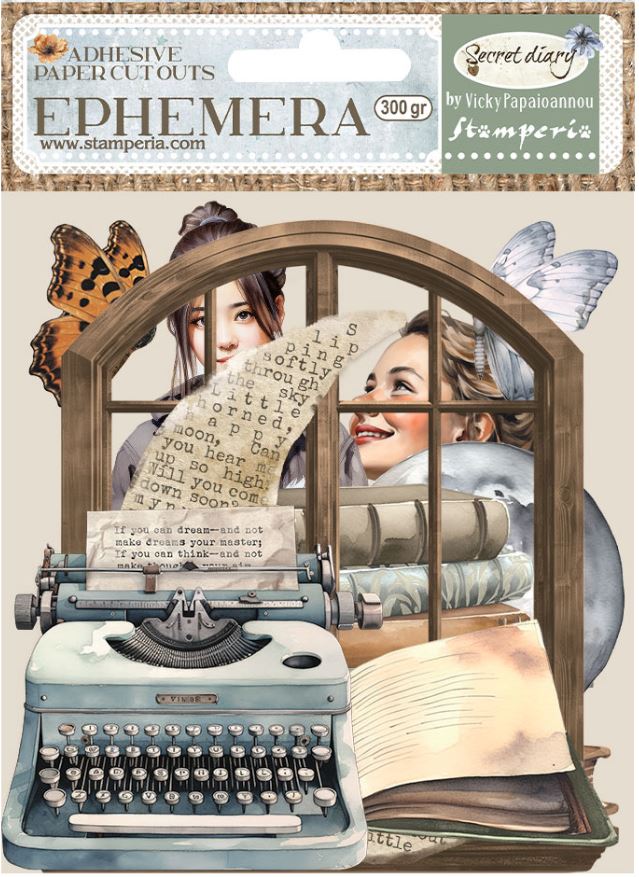
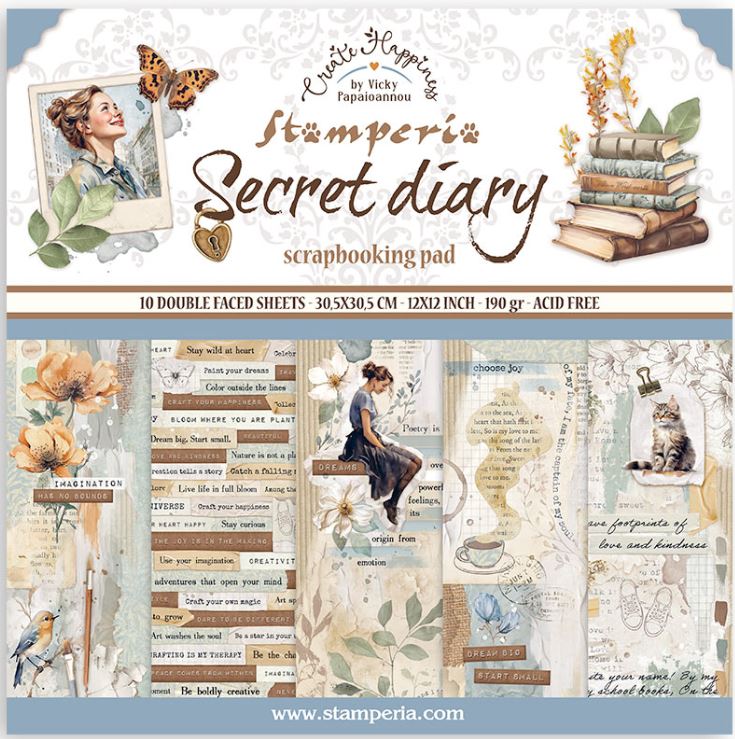
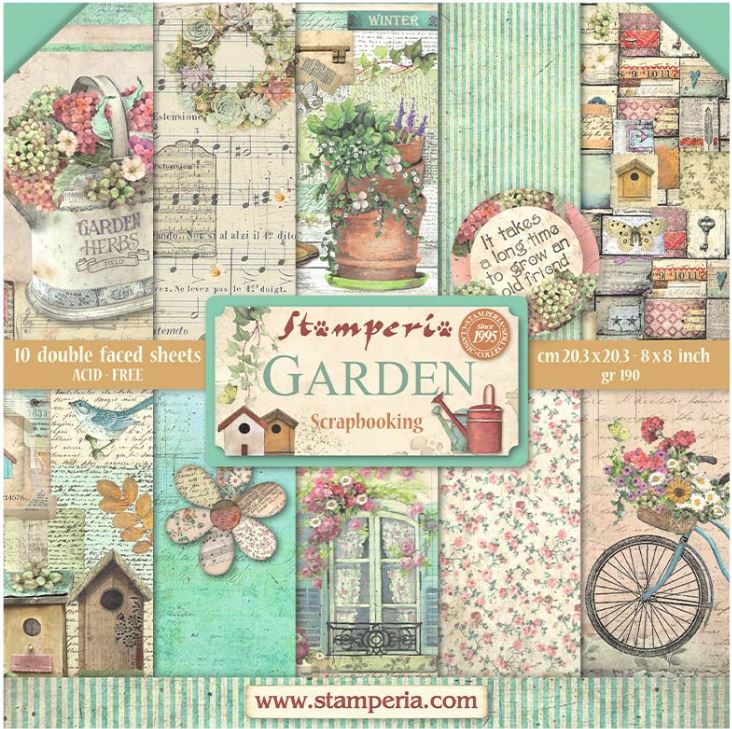
What we do: Charmed Cards & Crafts are main stockists of popular craft and scrapbooking brands such as Stamperia, Graphic 45 and Kaisercraft and Basic Grey , Bo Bunny and Prima Marketing - collections comprising flowers, scrapbook paper, paper pads for making cards, tons of embellishments, findings, stencils, stamps, mixed media and lots more - PLUS we also stock numerous other amazing crafting brands. Our product ranges have increased over the years, and encompasses most things. Apart from our main brands previously linked, here is a list of other main departments: Digital Downloads (as featured in all leading craft magazines, perfect for card making) -Dies, Stencils, Templates and Embossing Folders (includes craft dies and embossing folders from Find It Trading, Marianne Design, Kaisercraft, Spellbinders, Crafts Too, CottageCutz, Cuttlebug, Quickutz, Leane Creatif and Stencils/Templates from Hot Of The Press, Tim Holtz, Prima Marketing, Lasting Impressions) Craft Paper & Cardstock (includes 12x12 scrapbook paper, 6x6, 8x8 and 12x12 papers pads, vellum and specialist paper) -Craft Embellishment s (massive department that also houses our popular Flower Department , these flowers are superb whether making cards or scrapping) - Craft Stickers and Rub Ons - Inks and Rubber Stamps (we have a huge selection of both cute and eclectic rubber stamps and clear polymer stamps, plus all your essential stamping accessories) Altered Art Supplies - Scrapbook Albums & Journals - Paper Crafting Kits -Crafting Tools (includes We R Memory Keepers Sew Easy range)-Artist Trading Cards -Rangers Melt Art - Sticky Stuff (Adhesives, Modge Podge, Stickles, Perfect Pearls etc) - Blank Cards & Accessories - Pens, Paints and Mediums (includes PrismaColor pencils, Dylusions, Gelatos, Marker pens, paints) Ribbon, Fibre, Lace -Martha Stewart & Punches -Embossing | |